

There was a constant sense of instability. One day he was warm and attentive, the next brought tension and careful steps.
Bringing up something hurtful often ended with an apology given instead of received. Anxiety grew, confusion surfaced, and trust in personal perception slowly faded.
Friends said he seemed great, and doubts arose, maybe sensitivity or high expectations were the issue. It took years to understand the truth.
The reality wasn’t being too much or imagining things; someone was actively eroding a sense of self.
Here’s the thing about narcissists: they don’t announce themselves. There’s no warning label. No red flag on the first date that says “this person will destroy your self-esteem.”
Charm and attentiveness make them seem perfect at first.
By the time the problems appear, it is too late, with self-doubt and distance from those who could offer clarity.
If something feels wrong in a relationship but can’t be named, trust that instinct.
These 12 signs aren’t just personality quirks. They’re patterns. And patterns reveal who someone really is.
1. They Love-Bomb You Early
The beginning was intense. Almost overwhelming.
Constant messages and grand gestures, declarations of never before feelings, and words of falling in love.
It felt like a romance novel, like finding a soulmate, like real love. Looking back, it was too much, too fast.
Love bombing is not romance; it is a strategy. It fosters dependency and makes the connection feel rare and special, encouraging warning signs to be ignored.
Because how could someone who loved you this intensely three weeks in suddenly be cruel?
Attention and affection come fast, future plans discussed immediately, and every desire mirrored. It feels perfect, but real love grows slowly.
Healthy people don’t claim soulmates before knowing someone. Love-bombing creates a false high that leads to a crash.
2. Everything Eventually Becomes About Them

After a tough day at work, you begin to share it. Minutes in, the focus shifts to stress and problems of the other person.
Or when a proud accomplishment is shared, the response is a quick acknowledgment followed by a reminder of personal achievements.
Every conversation revolves around one person, focusing on feelings, experiences, and needs.
Struggles are minimized, victories redirected, and emotions constantly take a backseat.
Sharing good news stops when the response diminishes you. Discussing problems stops when pain is one upped. Their feelings always take priority.
Relationships need reciprocity. Healthy partners celebrate wins and support struggles. In narcissistic dynamics, experiences only matter as they connect to the other person.
3. They Avoid Accountability
When they hurt you, they have an excuse. Always.
The blame is shifted: it wasn’t meant that way, sensitivity is questioned, or the fault is placed on the other person.
Genuine apologies are missing, replaced with phrases like I’m sorry you feel that way or I’m sorry, but… The situation is twisted until an apology is expected for even bringing it up.
I used to brace myself before addressing anything. Because I knew I’d end up feeling worse than before I said anything.
Stop bringing up issues because it never goes well. You question whether you’re overreacting. You end up apologizing for being hurt by their behavior.
Inability to take responsibility is a core narcissistic trait. If someone can never admit they’re wrong, the relationship can never actually improve.
4. They Get Angry When You Set Boundaries

Setting a limit, asking for space, or expressing a need often triggers anger, guilt, or silent treatment.
Boundaries are seen as attacks, and personal needs are used as proof of inadequacy or selfishness.
It becomes easier to always agree, ignore needs, and put oneself last.
Boundaries are abandoned because the response isn’t worth it. Needs bring guilt, and the self is minimized to maintain peace.
Healthy people respect boundaries. Narcissists see them as obstacles to control. Your autonomy threatens their power over you.
5. They Need Constant Validation
Their ego is both massive and fragile.
They need to be admired. Praised. Told they’re special. Better than others.
You become responsible for maintaining their self-image. Compliments. Reassurance. Agreement.
Without constant reinforcement, they feel criticized.
Compliments are sought endlessly, and external validation is needed to feel okay, often coming from a single source.
You feel exhausted from constantly reassuring them. Their mood depends on how much praise they’re receiving.
They compare themselves to others constantly and need you to affirm their superiority.
Healthy self-esteem is internal. Narcissists need endless external validation because their self-image is hollow. You’ll never give them enough because the void can’t be filled.
6. They Subtly Put You Down

It’s never obvious. Never direct enough that you can call them out.
Little comments disguised as jokes or concern.
“Are you really going to wear that?”
“You’re so cute when you try to explain things you don’t understand.”
“I’m just trying to help you be better.”
They undermine your confidence bit by bit. So gradually you don’t notice until you’re second-guessing everything about yourself.
I remember constantly feeling inadequate around him. Never smart enough. Never interesting enough. Never quite right.
And he never said that directly. But the message was clear.
Backhanded compliments. Criticism disguised as concern. Jokes at your expense. Comparing you unfavorably to others, then claiming they’re “just being honest.”
This is deliberate. Eroding your self-esteem makes you easier to control. The less confident you are, the less likely you’ll leave.
7. They Play the Victim
Nothing is ever their fault. Everything happens to them.
The ex was unreasonable, the boss unfair, and friends untrustworthy; the world always seems against them.
Attempts at accountability place another person on the list of those who don’t understand or have hurt them.
They weaponize their pain. Use their struggles to deflect from their behavior.
Every story positions them as the wronged party. They never acknowledge their role in conflicts.
When you’re upset with them, they flip it so you end up comforting them instead.
Playing the victim is a manipulation tactic. It prevents accountability and makes you the bad guy for having legitimate grievances.
8. They Change Their Behavior When Others Are Watching

In public, they’re charming. Attentive. The perfect partner.
Your friends love them. Your family thinks they’re wonderful. They’re kind to waiters and strangers.
But behind closed doors? Different person entirely.
Cold. Critical. Dismissive. The warmth disappears when the audience does.
You start to feel crazy because the person everyone else sees isn’t the person you’re dealing with daily.
One persona appears in public, another in private. Affection is shown to others but withheld in private. Attempts to explain the truth are met with disbelief.
This is deliberate manipulation, with a polished outward image and harmful behavior hidden when no one else is around.
9. They Gaslight You
A conversation is remembered one way, yet it’s insisted it happened differently. Hurtful words are denied, as if they were never spoken.
Even things witnessed firsthand are dismissed. Reality is rewritten, leaving confidence in memory and perception shaken.
“That never happened.”
“You’re being dramatic.”
“I think you need help.”
Over time, trust in your own judgment fades. Their version of events becomes the one you rely on because confidence in your own has been worn down.
Second guessing becomes constant. Screenshots and saved messages feel necessary because memory no longer feels reliable.
A sense of losing grip on reality starts to creep in.
Gaslighting is psychological abuse. It’s intentional reality distortion designed to make you doubt yourself and depend on them for “truth.”
10. They Keep You Emotionally Off-Balance
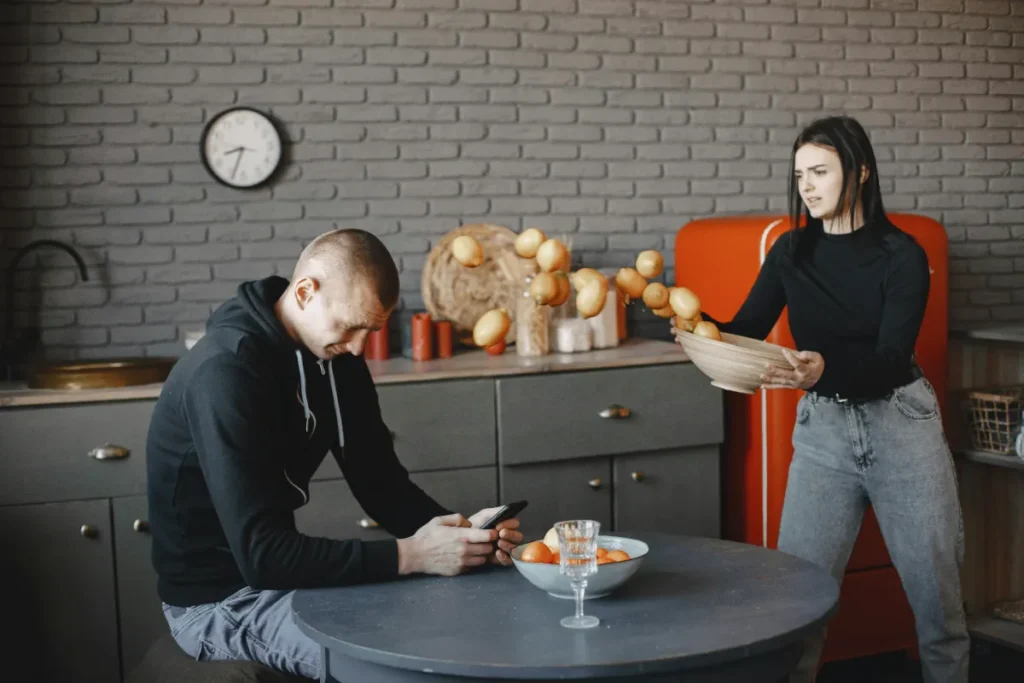
You never know which version of them you’re getting.
Some days they’re loving and attentive. Other days they’re cold and distant. The switch happens without warning or explanation.
You’re constantly trying to figure out their mood. Adjusting your behavior to keep things stable. Walking on eggshells.
This unpredictability is intentional. It keeps you focused on them, trying to earn back the good version.
Anxiety becomes constant in the relationship. Every mood is monitored, and relaxation feels impossible due to unpredictable shifts. Effort focuses on keeping the other person content.
This is called intermittent reinforcement, and it’s incredibly powerful. The unpredictability creates addiction to the good moments and fear of the bad ones.
11. They Lack Empathy
Upset moments are met with annoyance, struggles seen as inconveniences.
Empathy is lacking, and emotions are treated as obstacles rather than experiences to understand or support.
They might mimic empathy when it benefits them. But genuine care for your feelings? It’s not there.
Emotions are met with impatience. Comfort is withheld in moments of hurt. Joy is overshadowed, redirected to focus on themselves.
Pain is treated as an annoyance rather than something that matters.
Empathy is fundamental to healthy relationships. Without it, you’re with someone who can’t truly connect with or care about your inner world.
12. You Feel Drained, Confused, or “Not Yourself”

This is the big one. The umbrella sign that covers everything else.
Exhaustion and anxiety take over, with constant self-doubt and careful steps to avoid conflict.
Confidence fades, boundaries blur. Friends notice the change, and it’s felt deeply, though hard to explain. A sense of self slips away gradually, day by day.
Life feels smaller than it once did. Confidence has thinned, anxiety has grown, and every decision comes with doubt.
Distance from friends and family has crept in, and the person you used to be feels unfamiliar.
This is the cumulative effect of all the other signs. Narcissistic relationships drain you because you’re constantly giving, defending, adjusting, and getting nothing real in return.
My Sincere Advice
If you recognized multiple signs here, I need you to hear this clearly.
There’s no madness, oversensitivity, or imagination at work. The gut instinct that led to this is valid, indicating that something is wrong.
Narcissists are experts at sowing self-doubt, shifting blame, and keeping confusion high enough to keep control.
More is deserved, with responsibility, respect for boundaries, and support that restores a sense of self.
Leaving is hard. I know. By the time you realize what’s happening, they’ve often isolated you from support systems and destroyed your confidence.
But staying is harder. It gets worse, not better. Narcissists don’t change because they don’t think anything’s wrong. The problem is always everyone else.
Here’s what I wish someone had told me earlier:
You can’t love someone into being different. This cannot be fixed by better communication, more understanding, or extra effort. It is not a relationship problem to solve, but a chosen pattern of abuse.g.
Document things. Save texts. Record dates. Write down what actually happened. Because gaslighting will make you question everything. Having proof helps you stay grounded in reality.
Reach back out to people you’ve lost touch with. Isolation is part of their strategy. Reconnecting with friends and family gives you perspective and support.
Talk to a therapist who understands narcissistic abuse. Not all relationship counseling works for this. You need someone who recognizes the pattern and can help you navigate leaving safely.
Make a plan. Leaving can be complicated. Get your ducks in a row. Financial documents. Important belongings. Support system. Don’t announce your plan until you’re ready to execute it.
Healing takes time. Self-doubt doesn’t disappear instantly, but confidence grows and trust in oneself is restored. This is possible, as experience shows.
Anyone reading this, questioning or excusing their behavior, is seen and understood.
Time shouldn’t be wasted on someone who brings pain. Seek connection that lifts, supports, and makes life easier.
You deserve real love. This isn’t it.
Trust yourself. Get help. Get out.
Inner strength is greater than it feels, and support is always available.