

I was 23 when I made the worst dating decision of my life.
He was charming. Funny. Said all the right things about faith. Went to church with me.
But something was off. Small things. The way he talked about his ex. How he handled anger. His relationship with God felt more like performance than devotion.
My friends noticed. My sister said something. Even my youth pastor gently asked if I was sure about this.
I ignored all of them. Because I liked him. Because it felt good. Because I convinced myself that love would fix the issues I saw.
It didn’t. It got worse. And by the time I ended it, I’d wasted two years and compromised parts of myself I’m still working to recover.
Here’s what I wish I had known: your 20s set patterns that follow into every future relationship.
Mistakes now do not just affect this relationship, they shape the next ones. They teach what is tolerated, compromised on, or sacrificed for love.
Without care, habits formed in your 20s can sabotage your 30s. I made most of these mistakes, some multiple times. Each taught a lesson, but learning the easy way would have helped.
These are not just dating tips, they are warnings from experience. Learning from them can save a lot of pain.
1. Dating Without Clear Spiritual Boundaries
You say you’re saving sex for marriage. Great But what does that actually mean for your relationship?
Where’s the line physically? What situations do you avoid? What’s your plan for accountability?
Most Christian couples have vague boundaries. “We’ll be careful.” “We’ll stop when it feels like too much.” “We trust each other.”
That’s not a boundary. That’s a disaster waiting to happen.
I didn’t set clear boundaries in my early relationships. I thought being a Christian was enough. That my intentions would protect me.
They didn’t. Every relationship pushed further than the last because I never defined where to stop.
Vague boundaries get crossed, clear boundaries get respected. Without specificity, compromise happens when judgment is clouded.
Have the awkward conversation early. Define physical boundaries, discuss tempting situations, and get accountability from those who ask hard questions.
Write it down if needed. Keep it clear, specific, and non-negotiable.
2. Ignoring Red Flags Because of Emotional Attachment

The issues are visible and clearly problematic, yet attachment has already formed.
So you rationalize. Make excuses. Convince yourself it’s not that bad. That it’ll get better. That you’re being too picky.
Red flags ignored included his words about women, money habits, disproportionate anger, treatment of service workers, and talk about parents.
Seeing them didn’t make them feel important.
Red flags don’t disappear. Anger can become abuse, financial irresponsibility affects you, and witnessed disrespect may turn toward you.
Early warning signs are valuable. Trust instincts, if something feels off it likely is. Do not dismiss concerns for the sake of feelings.
Write down red flags when you notice them. Come back to the list when you’re tempted to minimize them. Talk to trusted people who’ll be honest with you.
Your feelings are temporary. His character is permanent. Choose accordingly.
3. Compromising Your Faith to Please Someone
It starts small. Skipping church to spend time together. Bending your standards a little. Overlooking spiritual differences.
Then it becomes bigger, missing small group, justifying actions once rejected, feeling distant from God while convincing yourself the relationship is worth it.
Eventually, faith and self recognition fade. Thinking a partner who mostly aligns with faith is enough leads to compromises that matter.
Faith doesn’t allow partial compromise. Trading a relationship with God for a person sacrifices something eternal for something temporary, and resentment follows.
If dating someone causes distance from God, that’s not from God. Period.
Your relationship should draw you closer to your faith, not away from it. If you’re justifying spiritual compromises, you’re with the wrong person.
Don’t negotiate your faith for anyone. The right person won’t ask you to.
4. Rushing Into a Relationship Out of Loneliness

You’re tired of being single. Everyone around you is pairing off. You feel left behind.
So when someone shows interest, you jump in. Without really knowing them. Without checking compatibility. Just relieved to finally have someone.
I dated people I had no business dating simply because I was lonely. I convinced myself that any relationship was better than being alone.
It wasn’t. Being in the wrong relationship is lonelier than being single.
Loneliness makes you settle. It makes you overlook incompatibility, ignore red flags, and stay in relationships that aren’t right just to avoid being alone again.
Deal with loneliness before dating. Build a full life with friendships, community, and purpose. Date from a place of wholeness, not emptiness.
Being single isn’t a problem to solve. It’s a season to steward well. Don’t waste it rushing into something just to escape it.
The right relationship at the wrong time is still the wrong relationship.
5. Dating Someone With Opposite Life or Faith Goals
One doesn’t want kids while the other does. Plans involve moving across the country while the other is rooted.
Faith is approached casually by one, deeply committed by the other.
Love makes you think it can be figured out later, but these are foundations, not details.
Dating someone whose life plan contradicts yours leads to wasted years.
Some things aren’t compromise able. Aligned goals don’t guarantee success, but misaligned goals guarantee failure. Life together requires moving toward the same destination.
Have the big conversations early. Kids or no kids. Where you want to live. Career ambitions. How you’ll approach faith in marriage. Financial philosophies.
If your answers are fundamentally different, don’t date hoping one of you will change your mind. You’ll just delay heartbreak.
Love isn’t enough if you’re running different races.
6. Thinking You Can “Fix” or “Change” Someone

There are issues, but potential is seen. Love feels like it can transform.
Struggles may include porn, drinking, anger, commitment, or faith. It feels like being the one to help them change.
Many Christian women date men they think they can fix, spiritual struggles masked by potential or words that do not match actions.
Change does not come for love, a partner, or even God until readiness exists.
A partner is not a savior. Change comes from within, not from someone else’s love.
Date who someone is now, not who they could be. If they’re not the person you need them to be today, don’t date them hoping they’ll become that person tomorrow.
Their growth is their responsibility. Your responsibility is protecting your own heart and not sacrificing yourself trying to save someone who doesn’t want to be saved.
7. Putting Physical Chemistry Above Emotional and Spiritual Connection
Physical attraction can be intense, making it easy to overlook lack of emotional connection, differing values, or shallow conversations.
Chemistry may tempt you to believe the rest will develop, but it rarely does.
Without emotional and spiritual foundation, attraction alone is not enough for a lasting relationship.
Physical attraction fades or moves to the background. If that’s all holding a relationship together, nothing remains when intensity fades.
Date someone who offers more than chemistry, with spiritual alignment, emotional connection, and true friendship.
The couples who last aren’t the ones with the most chemistry. They’re the ones who built something deeper than chemistry.
8. Staying in a Relationship Out of Guilt or Obligation
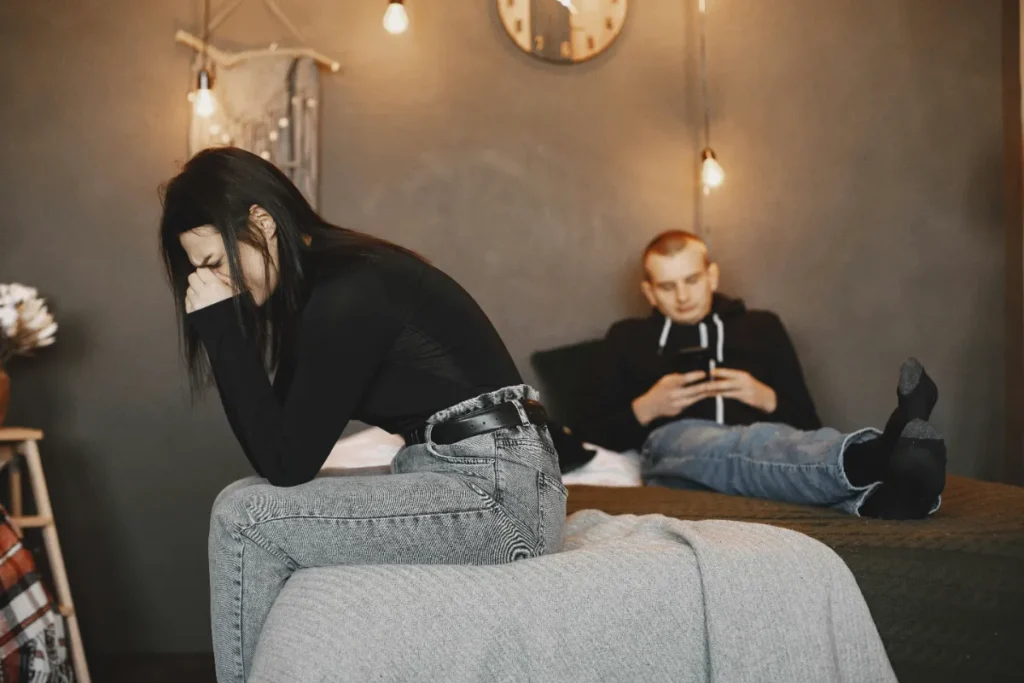
You know it’s not right, but the length of the relationship, investment, fear of hurting them, and fear of being alone keep you there.
Staying out of guilt, not desire, extends the relationship. Six months were wasted in mine because ending it felt cruel, though it was necessary.
Staying when it’s wrong is crueler. Obligation is not love. Guilt prevents both from finding something real and wastes time.
If you know it’s not right, end it. Kindly, but firmly. Don’t drag it out hoping your feelings will change or waiting for them to do something terrible enough to justify leaving.
You don’t need a dramatic reason. “This isn’t right for me” is enough.
Staying out of guilt isn’t noble. It’s cowardly. Have the hard conversation.
9. Not Seeking Godly Advice or Accountability
You keep your relationship private. Don’t tell people when you’re struggling. Don’t ask for advice. Don’t invite accountability.
Because you know what they’ll say. And you don’t want to hear it.
Accountability was avoided in relationships where compromise occurred.
Things were kept vague with the small group, and friends weren’t given permission to ask hard questions.
Isolation nearly caused the most harm. Private relationships were the ones that hurt most.
Proverbs warns against rejecting counsel. Wise people provide perspective, ask the questions avoided, and speak into the relationship.
Give trusted people permission to ask hard questions, share struggles honestly, listen to concerns, and don’t isolate yourself.
If you’re hiding your relationship from people who love you, that’s a red flag in itself.
Accountability isn’t intrusive. It’s protective.
10. Confusing Infatuation With Real Love

Infatuation is intense. Consuming. It feels like love. Like you can’t live without them. Like they’re perfect.
But infatuation is a feeling. Love is a choice.
Infatuation focuses on feelings, love focuses on who someone is and whether a life together is possible.
In my 20s, intensity felt like depth and obsession like commitment, but it was chemicals, projection, and the thrill of something new.
Real love is calmer, steady, built on compatibility, respect, and shared values.
Infatuation fades, usually in 6-18 months, and a relationship based only on it won’t survive the honeymoon phase.
Avoid big decisions during infatuation. Wait until intensity settles to assess compatibility, character, and long-term potential.
Ask yourself: If the butterflies went away, would I still want to build a life with this person?
If the answer is no, it’s infatuation. Not love.
My Take on This
I made most of these mistakes before I was 25.
I dated without boundaries, compromised physically, ignored red flags, and sacrificed faith to make relationships work. Loneliness led to rushing in, and opposite goals were overlooked.
Attempts to fix broken men, prioritizing chemistry over compatibility, staying out of guilt, avoiding accountability, and confusing infatuation with love all came at a cost, time, energy, and pieces of myself.
The lesson learned: the 20s establish patterns. Mistakes now either teach or trap. Learning from them builds wisdom; repeating them shapes the story.
I don’t regret my 20s. The mistakes revealed what I wouldn’t tolerate, what I wouldn’t compromise, and what real love looks like versus illusion.
Yet, some lessons could have been learned less painfully. Every mistake doesn’t need to be experienced firsthand; guidance from those who’ve walked the path can help.
Here’s what I want you to know:
Your worth isn’t defined by relationship status. Being single in your 20s isn’t failure. It’s opportunity. To grow, heal, and become the person your future spouse needs you to be.
Settling is worse than being alone. The wrong relationship does not just waste time, it damages you. Do not stay in something that is not right just to avoid being single.
Your relationship with God comes first. Always. If a relationship costs you your faith, it’s costing you too much.
Standards aren’t negotiable. The boundaries you set early determine what you’ll tolerate later. Don’t compromise on what matters hoping it won’t matter.
Listen to people who love you. When multiple trusted people express concerns, they’re probably right. Don’t isolate yourself in relationships. Invite accountability.
The 20s are formative. Patterns set now follow into marriage, and compromises shape the future.
Date intentionally, set boundaries, seek counsel, and prioritize the relationship with God over the desire for a relationship.
Mistakes will happen, learn from them and do not repeat them. The right person at the right time is worth waiting for.
Patience, standards, and wisdom now will make the future self grateful.
Trust God’s timing. Protect your heart. Make choices you’ll be proud of later.
You only get your 20s once. Make them count.