

We were six months into dating when we had the conversation.
“We need to set some boundaries,” I said.
He looked confused. “But we’re doing fine. Why do we need rules?”
Here’s what I’d learned the hard way from past relationships: “fine” isn’t good enough when you’re building something meant to last.
Boundaries are not restrictions they are protection intentional choices that build a strong foundation for life together
Most people skip the practical conversations. Focus lands on purity, waiting, honoring God, but the real talks get missed.
Struggles and disconnection often follow boundaries are not just physical they shape every part of shared life.
My husband and I learned this through trial and error. Through mistakes. Through realizing that good intentions weren’t enough without clear agreements.
These nine boundaries changed the relationship. The conversations wished for earlier. The guidelines that helped build something that honors each other and God.
They are not easy to establish. Some may feel uncomfortable to discuss. But they are worth it.
9 Boundaries Every Christian Couple Should Set
1. Physical Intimacy Limits
Let’s start with the obvious one. The one everyone talks about but often doesn’t define clearly.
“We’re saving ourselves for marriage” sounds straightforward. But what does that actually mean for you two?
Where is the boundary. Actions that are acceptable and those that are not. Situations avoided because they make staying strong harder.
My fiancé and I had to get specific. Really specific. Awkwardly specific.
Because “we’ll just stop when it feels like too much” doesn’t work. When you’re in the moment, your judgment is compromised. You need boundaries set beforehand.
Agree on appropriate physical affection and discuss situations that increase temptation, like being alone late, certain settings, or alcohol. Plan accountability and ways to handle mistakes.
Boundaries protect, prevent regret, and strengthen a relationship beyond physical attraction while honoring the commitment to wait.
This isn’t about legalism. It’s about integrity. About making choices when you’re clearheaded that your future selves will thank you for.
2. Time for Prayer and Spiritual Growth

It’s easy to let this slide. You’re busy. You’re tired. You see each other and just want to relax.
But if your relationship isn’t grounded in faith, it’s grounded in nothing.
We had to be intentional about this. It didn’t happen naturally. We had to actually schedule it.
Prayer together. Bible study. Church attendance. Conversations about what we’re learning spiritually.
Not as a checkbox. As a foundation.
Set aside regular time to pray together. Discuss what you’re reading in scripture. Attend church consistently. Talk about your faith journey, not just logistics.
A relationship rooted in Christ can endure storms that might break others. This foundation develops only through intentional effort.
Praying together invites God into the relationship. Studying together aligns values. Worshiping together keeps the focus on something greater than just the two partners.
3. Financial Transparency
Money is one of the biggest sources of conflict in marriage. But it doesn’t have to be.
Before you’re married, you need to know each other’s financial reality. Debt. Spending habits. Credit scores. Financial goals.
No surprises after the wedding. No hidden credit cards or secret spending.
My husband and I laid everything out before we got engaged. It wasn’t romantic. But it was necessary.
We talked about student loans. About how we each handle money. About what we’re working toward financially.
Share your full financial picture early. Discuss spending habits and money values. Talk about debt repayment plans. Agree on financial goals and how you’ll handle money in marriage.
Financial secrets destroy trust. Financial disagreements destroy peace. Getting on the same page early prevents both.
This isn’t just practical. It’s spiritual. How you handle money reflects your values and priorities. Aligning financially means aligning in how you steward what God’s given you.
4. Respecting Family Relationships
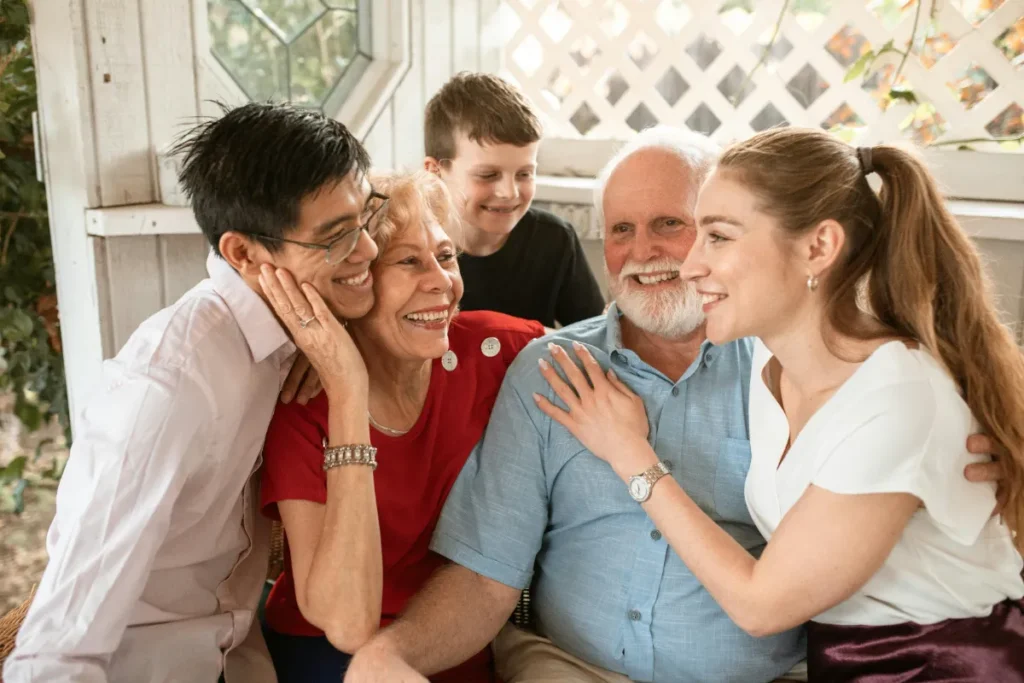
Families are part of life. They are not the center of the relationship.
Boundaries with family are important. Set limits on input, handle disagreements wisely, and protect the relationship in complicated dynamics.
This was hard for me. I’m close with my family. Setting boundaries felt like choosing my boyfriend over them.
But it wasn’t. It was establishing that we’re building our own family unit. One that respects our families of origin without being controlled by them.
Decide how to handle family conflicts and set limits on their input. Agree on holidays and family time. Present a united front even when family disagrees.
Genesis 2:24 shows leaving and cleaving. Strong marriage grows with healthy boundaries, which reflect maturity, not rejection.
Families can offer wisdom and support. But the final decisions are yours together. Establishing this early prevents years of conflict later.
5. Social Media and Digital Use
This feels modern, but it matters. A lot.
What you share online about your relationship. How you interact with others digitally. How much time screens steal from your time together.
We had to set guidelines. No sharing relationship conflicts publicly. No inappropriate conversations with people online. Phones away during quality time.
Agree on what to share about the relationship. Set boundaries for online friendships, have screen-free times, and stay transparent on social media.
Social media can invite comparison, temptation, and disconnection into your relationship. Boundaries protect your intimacy and prevent digital intrusion on real connection.
Your relationship is between you two and God. Not you, your partner, and everyone on Instagram. Guard that privacy.
6. Conflict Resolution Practices

Fighting is normal. The question is how to fight.
Set boundaries before conflict arises. Avoid name-calling, bringing up the past, going to bed without planning to revisit, or shutting down completely.
We established these rules early. They’ve saved us countless times.
Agree on rules for disagreements. Take breaks when tempers flare but always return. Focus on resolution, not winning. Pray together when stuck.
Ephesians 4:26 warns against letting anger linger. Boundaries in arguing prevent harm and encourage healing.
You can disagree without being disrespectful. You can be frustrated without being cruel. But you need guidelines established beforehand.
7. Personal Space and Alone Time
A life is being built together while remaining individuals.
Time with friends, personal hobbies, and space to be yourself are essential.
This doesn’t mean you’re not committed. It means you’re healthy.
Finding balance takes effort. Too much time together can feel suffocating; too much apart can feel distant.
Allow separate interests and friendships, encourage growth, and check in on time apart.
Maintaining individual identities strengthens the relationship, as two whole people make a stronger unit than two halves.
God created you as an individual before bringing you together as a couple. Honor both identities.
8. Accountability and Mentorship

You can’t do this alone. You need people speaking into your relationship.
Older couples who’ve walked this road. Friends who will ask hard questions. Mentors who will call you out when you’re off track.
Pride says “we’ve got this.” Wisdom says “we need help.”
We found a couple married 20+ years who meets with us regularly. They ask about our spiritual life. Our conflicts. Our growth areas. They see blind spots we miss.
Seek a couple or mentor who can offer honest guidance. Allow them to ask tough questions and be open about struggles.
Proverbs highlights the value of wise counsel. Accountability keeps honesty in check, and mentorship offers guidance, protecting the relationship from unseen pitfalls.
No one grows well in isolation. Your relationship won’t either.
9. Life and Career Priorities

Where are you headed? What matters most? How do career ambitions fit with relationship goals?
These conversations need to happen early. Before you’re making big decisions under pressure.
Talk about kids. About where you want to live. About career goals and how they’ll impact your life together. About what you’re building and why.
We discovered we had different assumptions about the future. Talking through them early meant we could align our paths instead of discovering the divergence later.
Discuss the future together. Share career goals and how they fit. Talk about kids, timing, and parenting approach. Align priorities.
Amos 3:3 asks if two can walk together unless agreed. Heading in the same direction prevents strain from misalignment.
These conversations aren’t just practical. They’re spiritual. What are you building together? How does it reflect God’s purposes? Are your priorities aligned with His?
From My Heart
Setting boundaries feels restrictive at first. Like you’re putting rules on something that should be free and natural.
But the opposite is true.
Boundaries create freedom. They protect what matters, prevent regret, build trust, and establish safety.
Mistakes happen. Conversations may need revisiting, boundaries adjusted, lessons learned. Frameworks provide a foundation and shared agreements to return to when off track.
A relationship is worth protecting, being intentional about, and having difficult conversations for.
Don’t wait until struggles arise. Have the necessary conversations now. Set boundaries that protect the future and build something lasting.
A Christian relationship reflects God’s design, honors Him, and points others to Him.
This happens through intentionality, daily choices, and boundaries. These 9 boundaries guide direction, health, growth, and lasting connection.
Grace is needed, but building on solid ground makes all the difference.
Pray together, discuss honestly, and adjust boundaries as needed. Your future selves and marriage will be stronger, reflecting the love Christ has for His church.
That’s worth the difficult conversations. That’s worth the intentionality. That’s worth setting boundaries that protect what God is building between you.
Start today. Have the conversation. Set the boundaries. Build something beautiful.
You’ve got this. And more importantly, you’ve got Him guiding you.