
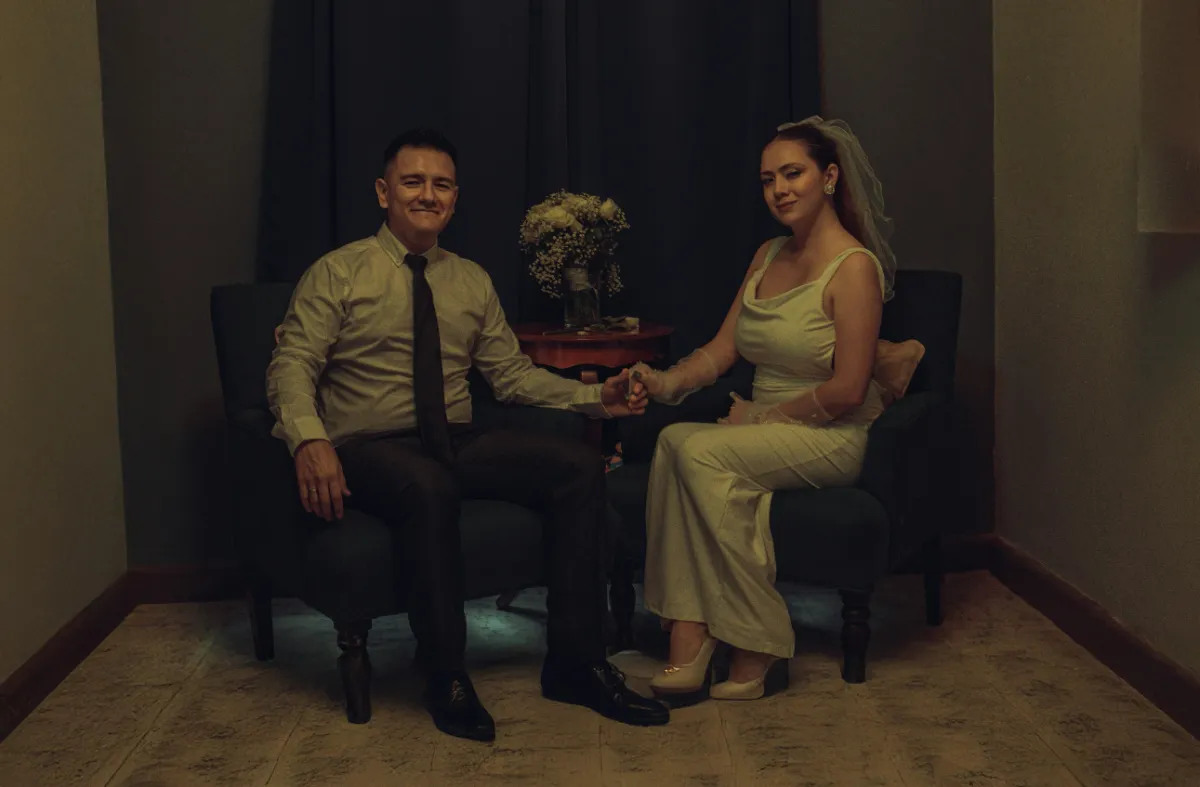
Nothing explosive happens. No big fight or clear reason to walk away.
Yet something has shifted.
Looking at the partner brings a sense of distance, as if two lives are running side by side under the same roof.
Love and shared history remain, but the bond feels like it’s slipping.
The exact beginning is uncertain. Growth unfolded slowly, creating distance as personal needs and desires evolved beyond what could be met.
Maybe it came suddenly—a clear realization that pretending everything was fine has been ongoing.
Outgrowing a relationship brings confusion.
There’s no blame to place, no single moment that explains the distance. It’s simply what happens when growth takes you somewhere the other person can’t follow.
Two people cared deeply but moved in separate directions.
Now comes the limbo, questioning whether letting go is too quick, if more effort is needed, or if wanting more makes the issue yours.
But here’s what you need to understand: outgrowing someone isn’t a failure. It’s evolution.
People change. Sometimes together, sometimes apart.
And recognizing when you’ve outgrown a relationship? That’s not cruelty. That’s honesty.
So let’s talk about the eight signs that you’ve evolved past this relationship. Not to hurt you, but to give you clarity.
Conversations Feel Forced Instead of Flowing
You used to talk for hours about everything and nothing. Now, silence fills the space and neither of you knows how to fill it.
When you do talk, it’s surface-level. Logistics. Small talk. Safe topics that don’t require vulnerability.
Deep conversations? Those don’t happen anymore. Because honestly, you’re not sure you’d know what to say.
Connection lives in communication. When talking feels like work, the connection is dying.
You’ve evolved. Your thoughts are deeper. Your interests have shifted. Your perspective has changed.
And they’re still having the same conversations you had two years ago.
That gap? It’s hard to bridge when only one person is trying to cross it.
You No Longer Share the Same Goals or Values

Desire drives forward motion while the other remains settled.
Growth, health, and ambition guide one path; routine and minimal effort define the other.
What once brought contentment, like security, familiarity, and comfort, has lost its hold. One pursues growth, while the other remains in place.
Aligned values are the foundation of lasting relationships.
When your priorities shift and theirs don’t, you’re no longer walking the same path. You’re heading in different directions.
Maybe they used to match your energy. Or maybe you’ve finally admitted that you settled for someone who never fully aligned with where you wanted to go.
Either way, trying to force someone onto your path when they don’t want to be there? That’s exhausting for both of you.
Feel More Drained Than Fulfilled After Being Together
Time with your partner used to energize you. Now it exhausts you.
Not because they’re necessarily doing anything wrong. But because being around them requires you to shrink. To downplay your growth. To pretend you’re still the person you were when this started.
Healthy relationships should recharge you, not deplete you.
If every interaction leaves you feeling empty or frustrated, your energy is telling you something your mind hasn’t accepted yet.
A relationship is being carried that no longer aligns with personal growth.
And staying in it requires sacrificing parts of yourself. That’s not sustainable.
You’re Growing, but They’re Staying the Same

You’re reading, learning, evolving. Working on yourself. Challenging old patterns. Pushing past comfort zones.
They’re… not.
Same habits. Same mindset. Same excuses for why they can’t change.
Resentment starts to grow because staying the same doesn’t match the need for a partner who evolves alongside you.
Growth compatibility matters as much as any other compatibility.
If you’re committed to becoming better and they’re committed to staying comfortable, eventually you’ll outpace them.
And that gap will turn into distance you can’t close, no matter how much history you share.
Find Yourself Fantasizing About a Life Without Them
You daydream about being single. Having your own space. Making decisions without considering them.
Not because you hate them. But because imagining life without them feels lighter. Freer. More aligned with who you’re becoming.
When the idea of leaving brings relief instead of panic, you’ve already emotionally left.
Your mind is preparing you for an exit you haven’t consciously decided to take yet.
But your subconscious knows. And it’s trying to get you ready.
Stop Trying to Fix What’s Broken

There was a time when every issue felt urgent. You’d fight to resolve conflicts. Push for change. Beg for effort.
Now? You’ve stopped caring.
Not out of spite. But out of acceptance that nothing’s going to change. And you’re tired of trying to fix something that maybe was never meant to work long-term.
Apathy is the final stage of a dying relationship.
When you stop fighting—not because you’ve found peace, but because you’ve given up—the relationship is over. You just haven’t made it official yet.
Anger means you still care. Indifference means you’re done.
Feel More Like Roommates Than Partners
You coexist. Share space. Split bills. Follow routines.
But there’s no romance. No passion. No emotional intimacy.
You function as a team managing logistics. But you’ve stopped functioning as lovers.
Romantic relationships require more than practical compatibility.
If you’ve reduced your partnership to logistics and lost everything else, you’re not in a relationship anymore. You’re in a functional arrangement.
And that might work for some people. But if it’s not working for you, it’s okay to want more.
Deep Down, You Know You’ve Changed—and They Haven’t
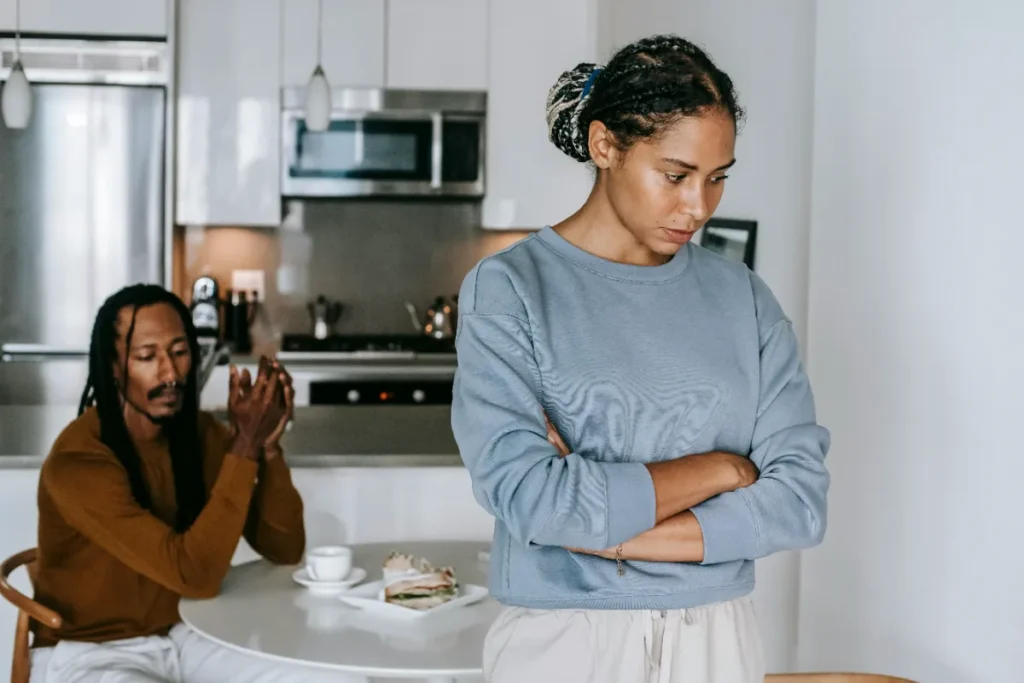
This is the big one.
You’re not the person you were when this relationship started. Your priorities have shifted. Your boundaries have strengthened. Your standards have risen.
And they’re still the same person. Which isn’t their fault. But it creates an incompatibility that wasn’t there before.
You can love someone and still outgrow them.
You can appreciate what they brought to your life while acknowledging they’re no longer the right fit for who you’re becoming.
Change isn’t betrayal. And recognizing that you’ve evolved past this relationship isn’t cruelty—it’s truth.
Real Talk Time
Recognizing these signs means understanding what must come next.
The relationship has been outgrown. Remaining out of guilt, fear, or loyalty to the person they once were does a disservice to both.
Leaving feels daunting, especially without a clear reason.
Neither infidelity nor mistreatment exists, and no clear cause can be blamed.
Just incompatibility. Growth moving in opposite directions. Two people who loved each other but couldn’t keep pace.
But here’s what you need to understand: staying in a relationship you’ve outgrown doesn’t preserve love. It suffocates it.
You’ll start resenting them for not growing with you. They’ll resent you for changing. The relationship will become a prison instead of a partnership.
And eventually, it’ll end anyway. Just messier. More painful. With more regret.
So if you’ve been feeling this disconnect, trust it. Don’t gaslight yourself into staying because you think you should make it work.
Effort has been made, patience has been exercised, time has been given.
Compatibility cannot be forced when both have grown into different people.
Ending the relationship does not erase its value. It fulfilled its role in that chapter of life.
Some companions remain for a lifetime.
Others accompany briefly, offering lessons before allowing the journey to continue solo.
And that is perfectly fine.
Leaving doesn’t require a dramatic event. Outgrowing someone is reason enough.
Growth matters. Happiness matters. The future matters.
If the relationship no longer supports any of these, it’s time to move on.
Move forward with gratitude for the past and acceptance of the present.
It’s okay to leave because you’ve changed.
Everyone deserves a partner who loves who they truly are, not who someone hopes they’ll become.
Do what you know you need to do. Even if it’s hard. Especially if it’s hard.
Because on the other side of this ending is a version of your life that finally feels aligned.
And that’s worth the discomfort of leaving.