
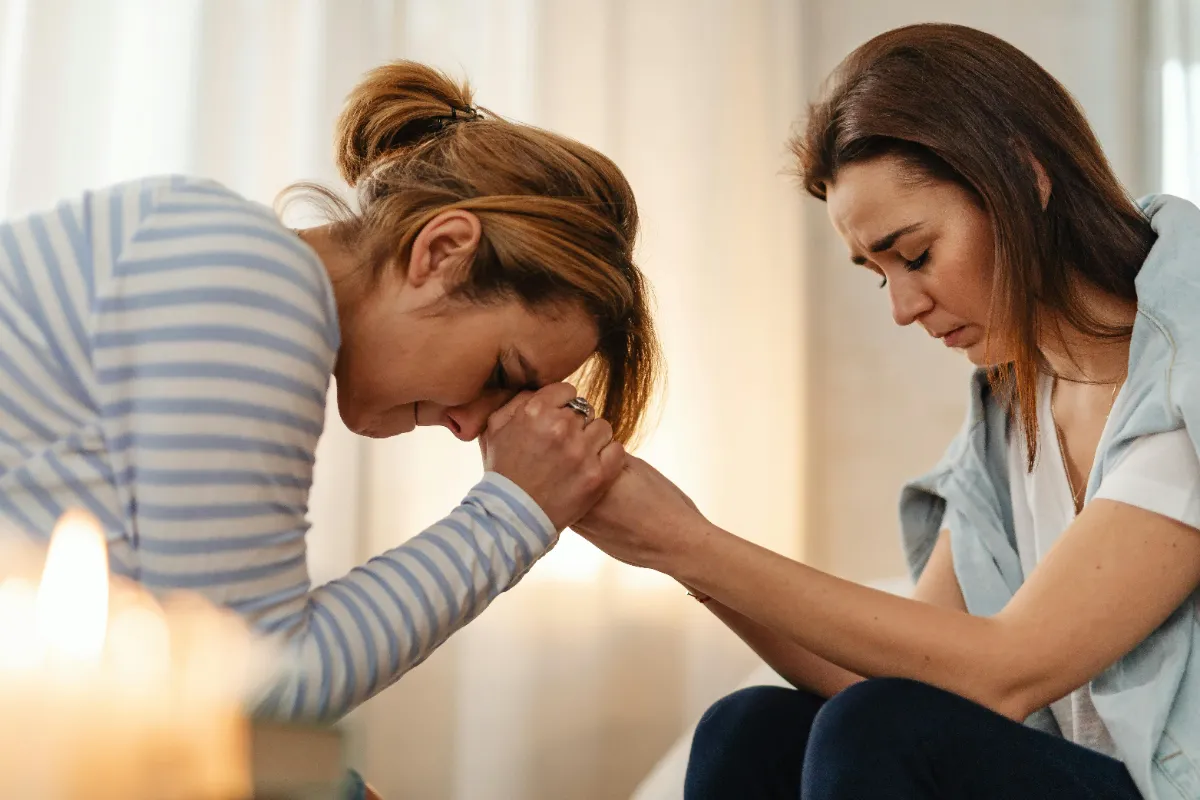
Something felt off.
My daughter had always been outgoing. Talkative. The kid who bounded through the door after school bursting with stories.
Then she stopped. She’d come home, go straight to her room, barely speak at dinner.
“Just tired,” she’d say. “School’s stressful.”
I wanted to believe that. It would’ve been easier to believe that.
But a mother’s instinct kept nagging. This wasn’t just tired. This was different. Wrong.
I’m sharing this because I once wished someone had explained the signs, what they pointed to, and how to support her without adding harm.
If this has your attention, there’s likely that same unsettling feeling inside. Something is off with your daughter, yet the exact issue is hard to pinpoint.
Listen to that instinct.
The indicators of physical, sexual, or emotional harm are not always clear. They can be subtle, easy to explain away, and simple to overlook without careful attention.
These signs exist, and noticing them can make a real difference.
The goal here isn’t to create fear, but to highlight what may be hidden, provide language for what you sense, and guide you on how to help if concerns are confirmed.
Some behaviors might be typical teen actions, stress, or depression. Not every sign indicates abuse.
When several signs appear together, it’s time to look more closely.
1. Sudden Withdrawal or Isolation
She used to hang out with friends constantly. Now she makes excuses not to go anywhere.
She’s stopped participating in activities she loved. She spends hours alone in her room.
This isn’t gradual loss of interest. It’s sudden. Like a switch flipped.
What this might mean: Abuse, particularly sexual abuse, often leads to withdrawal. Victims may feel shame, fear, or a sense that normal life is overwhelming. Being alone can feel safer than being around others.
What to watch for: Does she avoid specific people or activities she used to love? Has she cut off friends without explanation? Does she seem afraid to leave the house?
2. Unexplained Anxiety, Fear, or Panic
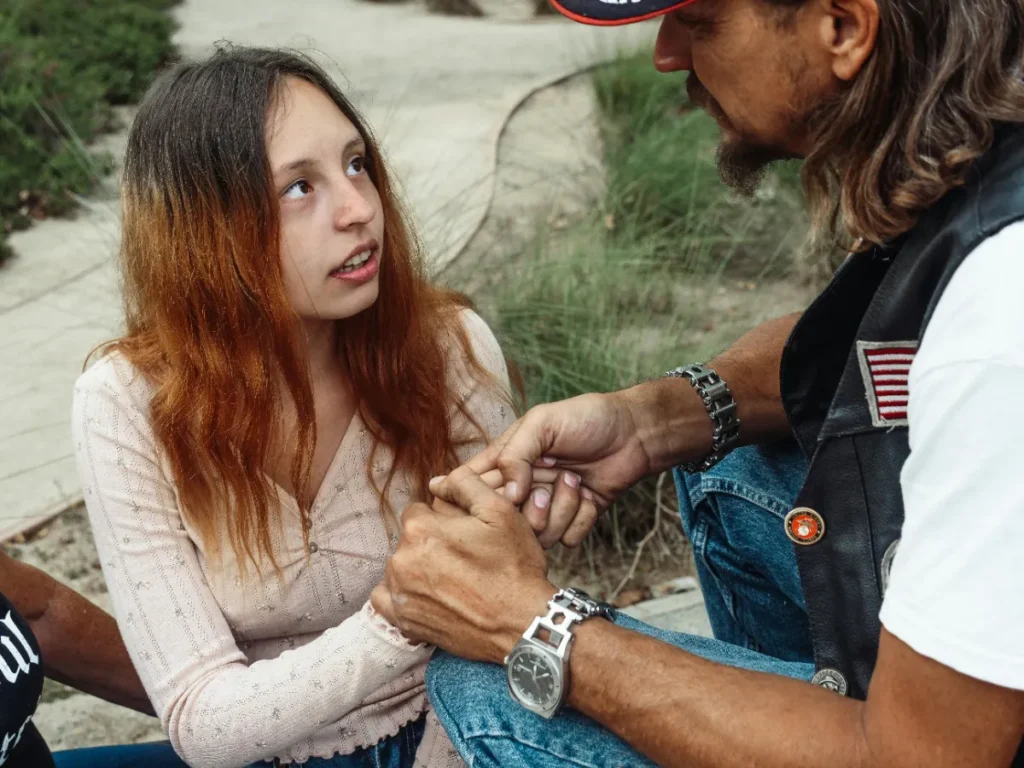
She’s jumpy. Constantly on edge. Panics at seemingly small things.
Maybe loud noises startle her more than they used to. Or certain situations trigger visible fear responses.
She might have nightmares. Trouble sleeping. Panic attacks that come out of nowhere.
What this might mean: Trauma creates hypervigilance. Her nervous system is stuck in flight mode. She’s reacting to triggers you can’t see because they’re connected to what happened to her.
What to watch for: Is she often anxious? Does she respond strongly to everyday situations? Has she developed new fears or phobias that weren’t present before?
3. Dramatic Mood Swings
One minute she’s fine. The next she’s crying or angry for no apparent reason.
The emotional volatility is new. And intense. Way beyond typical teenage mood swings.
She might lash out at you, then immediately withdraw. Or cycle between seeming okay and completely shutting down.
What this might mean: Abuse creates emotional chaos. She’s trying to process trauma while pretending everything’s normal. That internal conflict shows up as mood instability.
What to watch for: Are the mood changes sudden and extreme? Do they seem disconnected from anything happening around her? Does she seem unable to regulate her emotions?
4. Change in Eating or Sleeping Patterns

She’s eating way more or way less than usual. Sleeping all the time or barely sleeping at all.
These aren’t small changes. These are significant shifts in basic selfcare.
What this might mean: Trauma affects many aspects of life, including eating and sleeping.
Some survivors limit food to feel in control, while others overeat to cope. Sleep can become a refuge or feel impossible because of nightmares and constant alertness.
What to watch for: Has her relationship with food changed dramatically? Is she sleeping at unusual hours or complaining of nightmares? Does she seem exhausted constantly despite sleeping?
5. Physical Signs That Raise Concern
Unexplained bruises, especially in hidden areas. Injuries she can’t or won’t explain. Physical pain she’s vague about.
Difficulty walking or sitting. Torn or stained clothing. Signs of physical trauma she brushes off.
What this might mean: Physical and sexual abuse leave marks. Sometimes visible, sometimes not. She might try to hide them or make excuses.
What to watch for: Are there injuries she can’t explain? Does she wince or seem to be in pain? Has she started wearing more concealing clothing suddenly? Does she avoid being touched?
6. Decline in School or Work Performance

Her grades have dropped significantly. She’s missing school or calling in sick to work frequently.
She can’t concentrate. Homework isn’t getting done. She seems checked out.
What this might mean: Trauma makes it nearly impossible to focus on normal responsibilities.
Her brain is occupied processing what happened to her. School and work feel impossible when you’re surviving trauma.
What to watch for: Is this a sudden decline, not gradual? Has she stopped caring about things she used to take pride in? Do teachers or supervisors mention concerns?
7. Avoidance of Specific People or Situations
She used to love going to her uncle’s house. Now she refuses without explanation.
Or she avoids certain rooms in your home. Certain places. Certain people.
The avoidance is specific and strong, but she won’t say why.
What this might mean: Victims often avoid their abusers or places where abuse occurred. This avoidance can be the clearest sign something specific happened with someone specific.
What to watch for: Who or what is she avoiding? Is there a pattern? Does she become distressed when you try to make her participate in activities involving that person or place?
8. Sudden Secrecy or Overly Guarded Behavior
She’s become intensely private. Passwords on everything. Won’t talk about where she’s been or who she’s been with.
This is different from normal teen privacy. This feels like hiding.
She might delete messages immediately. Be secretive about phone calls. Have possessions she won’t let you see.
What this might mean: Abusers often demand secrecy. They threaten victims into silence. Or she might be hiding evidence of what’s happening because she’s ashamed or afraid.
What to watch for: Is the secrecy new and extreme? Does she seem frightened when you ask normal questions? Does she panic if you pick up her phone?
9. Signs of Shame, Low Self Worth, or Self Blame

She may speak about herself in harsh, negative terms, calling herself worthless, foolish, or unattractive.
Self-harm is another warning sign, such as cutting, burning, or other forms of hurting herself.
She might make statements like “it’s my fault” or “I deserved it” without providing context.
What this might mean: Abuse survivors often blame themselves. Abusers convince victims they’re responsible for the abuse. This manifests as shame, self-hatred, and self-destructive behavior.
What to watch for: Is she saying unusually negative things about herself? Has she started self-harming? Does she seem to carry shame that doesn’t match anything you’re aware of?
10. Mentioning Harm, Discomfort, or Unsafe Experiences
Sometimes victims give subtle hints, checking if someone will notice or offer help.
She might say something unclear, like “something happened” or “I don’t feel safe,” without going into detail.
Younger children may express abuse through play, drawings, or unusual comments.
What this might mean: This might be her way of asking for help without having to say it directly. She’s seeing if you’re paying attention. If you’ll protect her.
What to watch for: Listen carefully to offhand comments. Notice themes in her writing, art, or play. Take vague statements seriously even if she won’t elaborate immediately.
How to Help
If you recognize multiple signs, here’s what to do:
Stay calm. Your reaction matters. If you panic or become visibly upset, she might shut down completely to protect you or because she’s afraid of your reaction.
Believe her. If she does disclose abuse, believe her immediately. Don’t question or doubt. The first response determines whether she’ll continue trusting you.
Don’t interrogate. Ask open-ended questions gently. “I’ve noticed you seem upset lately. I’m here if you want to talk.” Don’t push or demand answers.
Document everything. Write down dates, observations, anything she tells you. This documentation may be important later.
Get professional help immediately. Contact a therapist who specializes in trauma. Call a child abuse hotline (1-800-422-4453 in the US). Speak to your pediatrician.
Report if necessary. If you know or strongly suspect abuse, you may be legally required to report it. Contact local authorities or child protective services.
Reassure her. Tell her it’s not her fault. That you love her. That you’ll keep her safe. That you’re proud of her for telling you.
Protect her. If you know who the abuser is, keep her away from that person immediately. Her safety is the top priority.
Don’t confront the abuser alone. This could endanger your daughter or compromise any legal case. Work with professionals.
Take care of yourself. You can’t help her if you’re falling apart. Get support for yourself too—therapy, support groups, trusted friends.
Quick Thought
Reading this can feel frightening. It’s hard to accept that any of this might apply to your daughter.
But overlooking warning signs doesn’t keep her safe. Recognizing them and responding does.
Not all changes in behavior indicate abuse. Sometimes children are facing typical challenges, and it’s still important to pay attention and explore what’s happening.
If intuition signals that something is off, listen to it. It’s better to investigate and be mistaken than to overlook a problem and let your daughter struggle alone.
She needs you to be brave enough to see what might be happening. To ask hard questions. To believe her if she tells you. To protect her above all else.
You’re reading this because you care. Because you’re paying attention. That already makes you the kind of parent who can help.
Trust yourself. Get help. Protect your daughter.
She needs you now more than ever.